
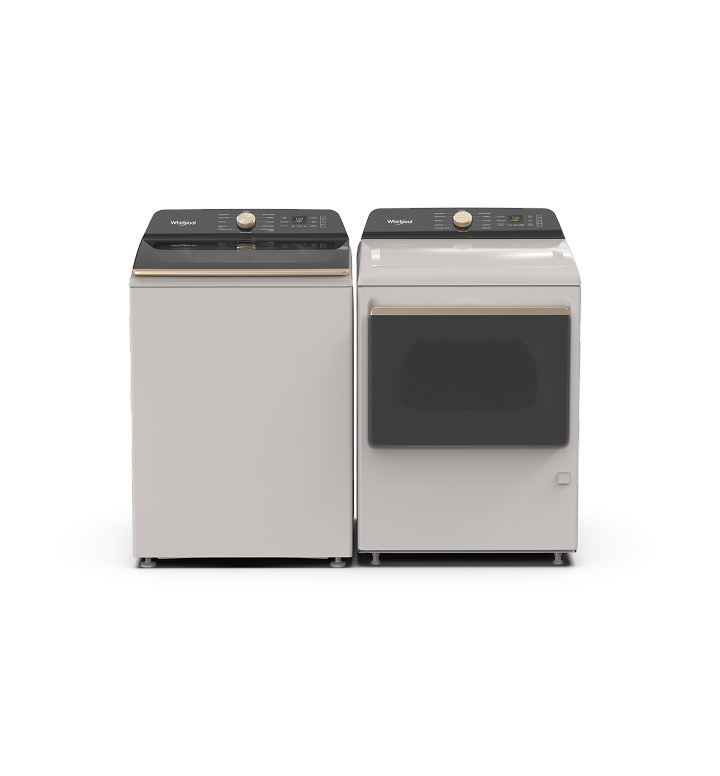
A Next-gen Whirlpool Washing Machine
Led UX design for Whirlpool's VMAX8 platform, a premium dual-basket washer introducing new interaction patterns, workflows, and system behaviors for an entirely new category of appliance.
Role: UX Designer
Year: 2025
Product Type: Embedded / HMI / Physical HMI
At a Glance
4-month consulting engagement
Principal UX Designer
Embedded appliance HMI
Dual-basket washing machine and dryer
Design system + interaction model
Cross-functional partnership with engineering and industrial design
THE CHALLENGE
TOOLS USED: ARCHITECTURAL FLOW AUDITS, CONCEPTUAL FLOWS, MARKET RESEARCH
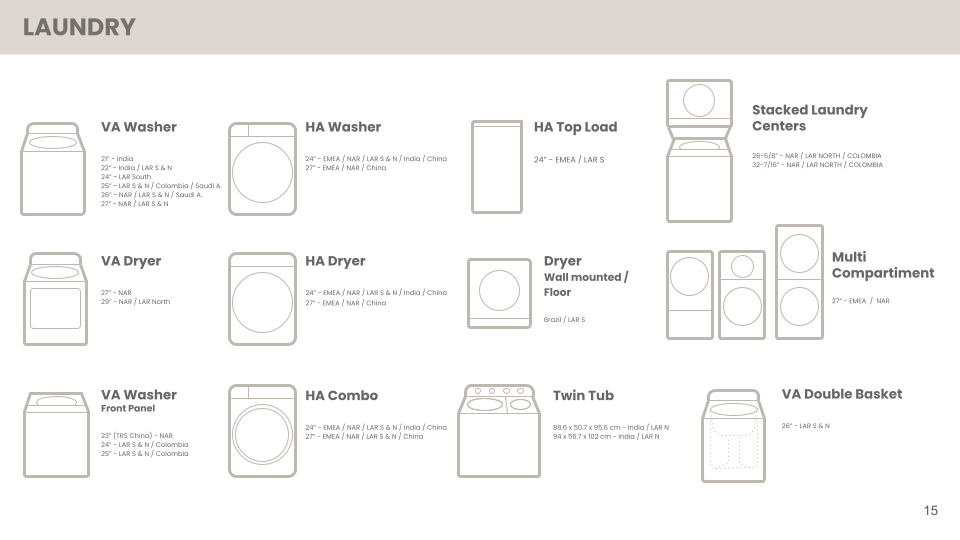
Whirlpool was developing a premium dual-basket washer that allowed customers to wash two loads simultaneously. While the hardware innovation created new opportunities, it also introduced significant UX complexity. The dual-basket model challenged deeply ingrained expectations around how laundry is sorted, started, monitored, and completed. Designing an experience that felt intuitive required balancing new capabilities with familiar mental models, ensuring customers could immediately understand the product without feeling like they had to learn an entirely new way of doing laundry.
Customers needed to understand:
Which basket was active
How two cycles interacted
What actions were available at any given moment
How to manage parallel tasks without confusion
Unlike traditional appliances, there were few existing patterns to reference, requiring the team to define entirely new interaction models for the platform.
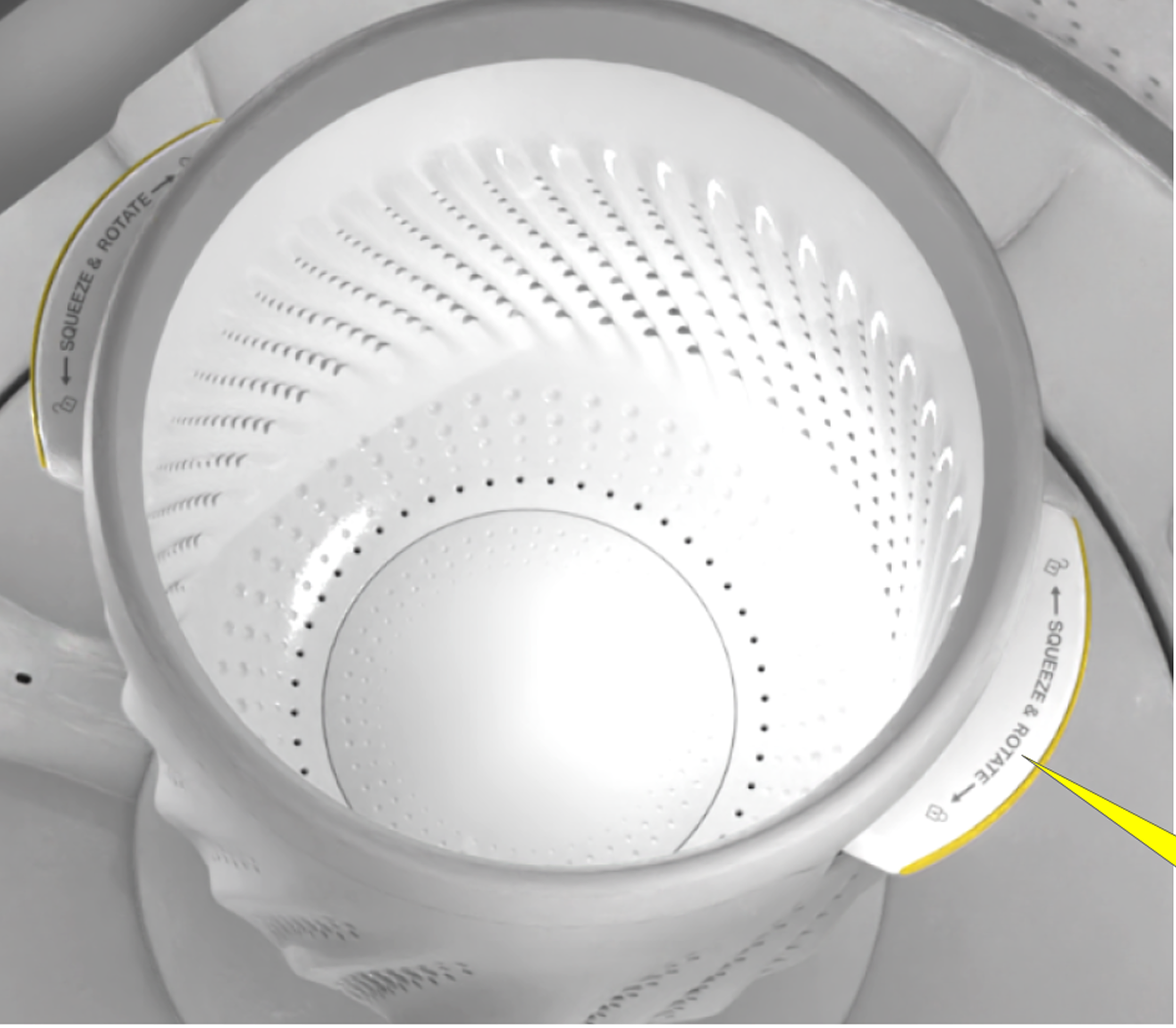
image 1: The image to the left portrays the delicate basket placed within the regular drum of the washing machine.
DISCOVERY & INSIGHTS
TOOLS USED: STORYBOARDS, CONCEPTUAL MODELS, PROCESS MAPPING, WIREFLOWS, COMPETITIVE ANALYSIS, STAKEHOLDER INTERVIEWS
Key Insights
Laundry is a high-frequency household task with little room for confusion
Users expect appliance interactions to be immediate and predictable
Simultaneous cycles create cognitive complexity absent from traditional washers
Hardware constraints significantly influenced interaction possibilities
Design Principles
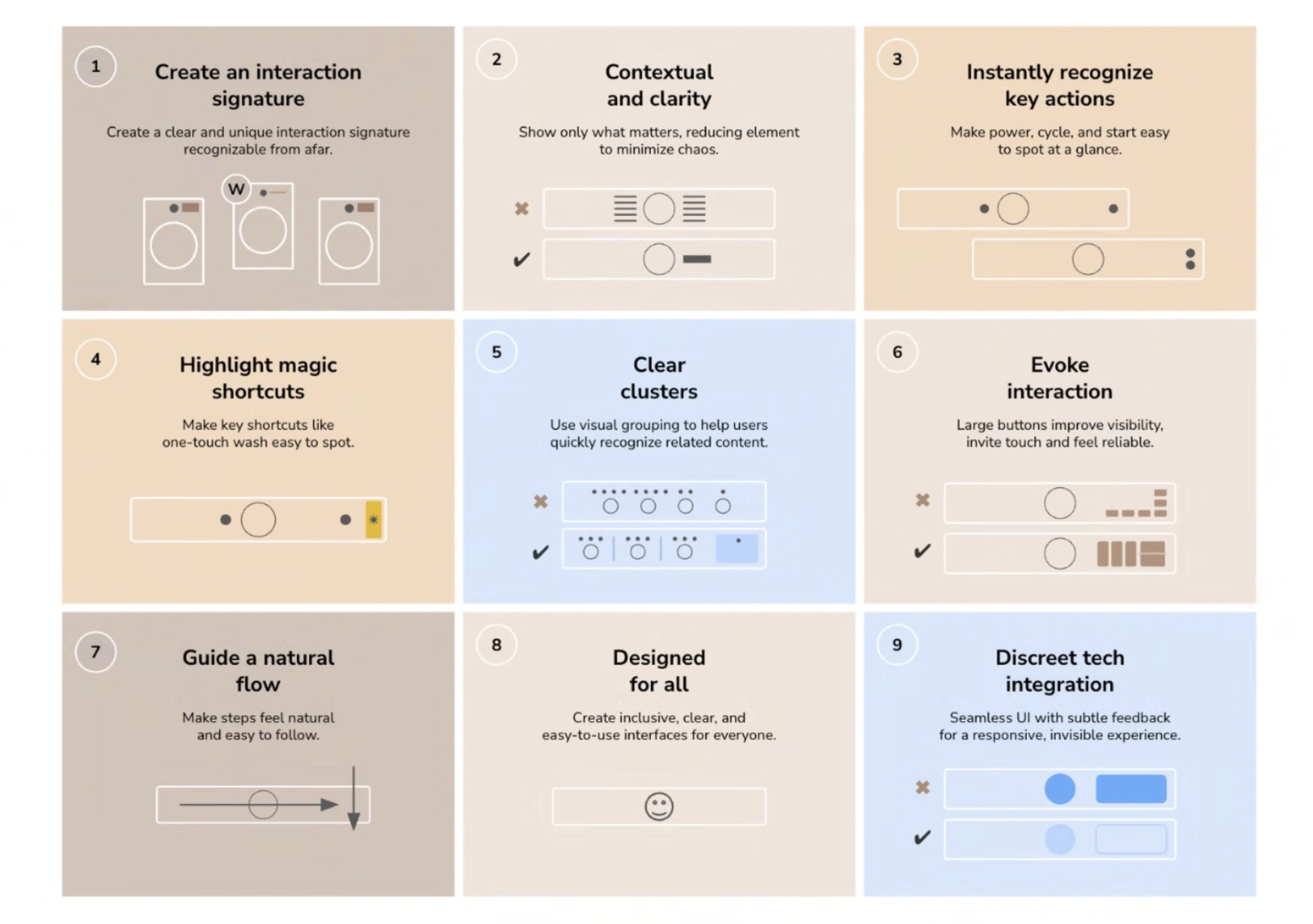
Clarity over complexity
Minimize cognitive load
Surface relevant actions at the right time
Maintain consistency across states
Balance power and simplicity
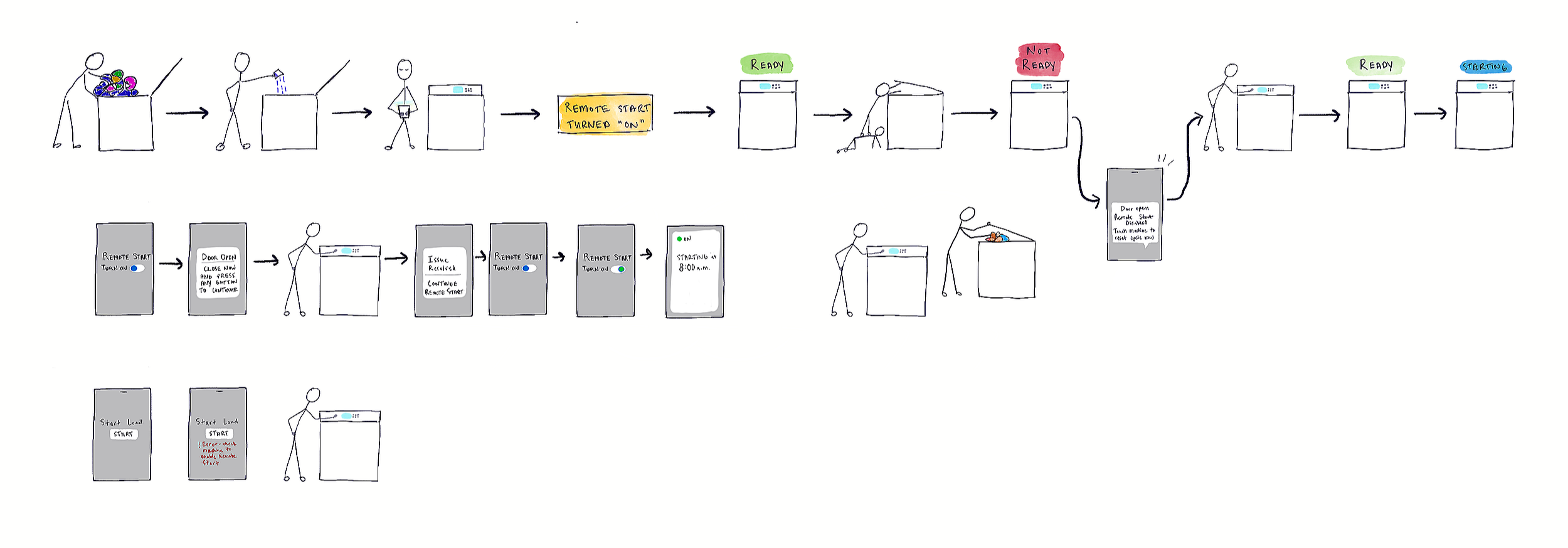
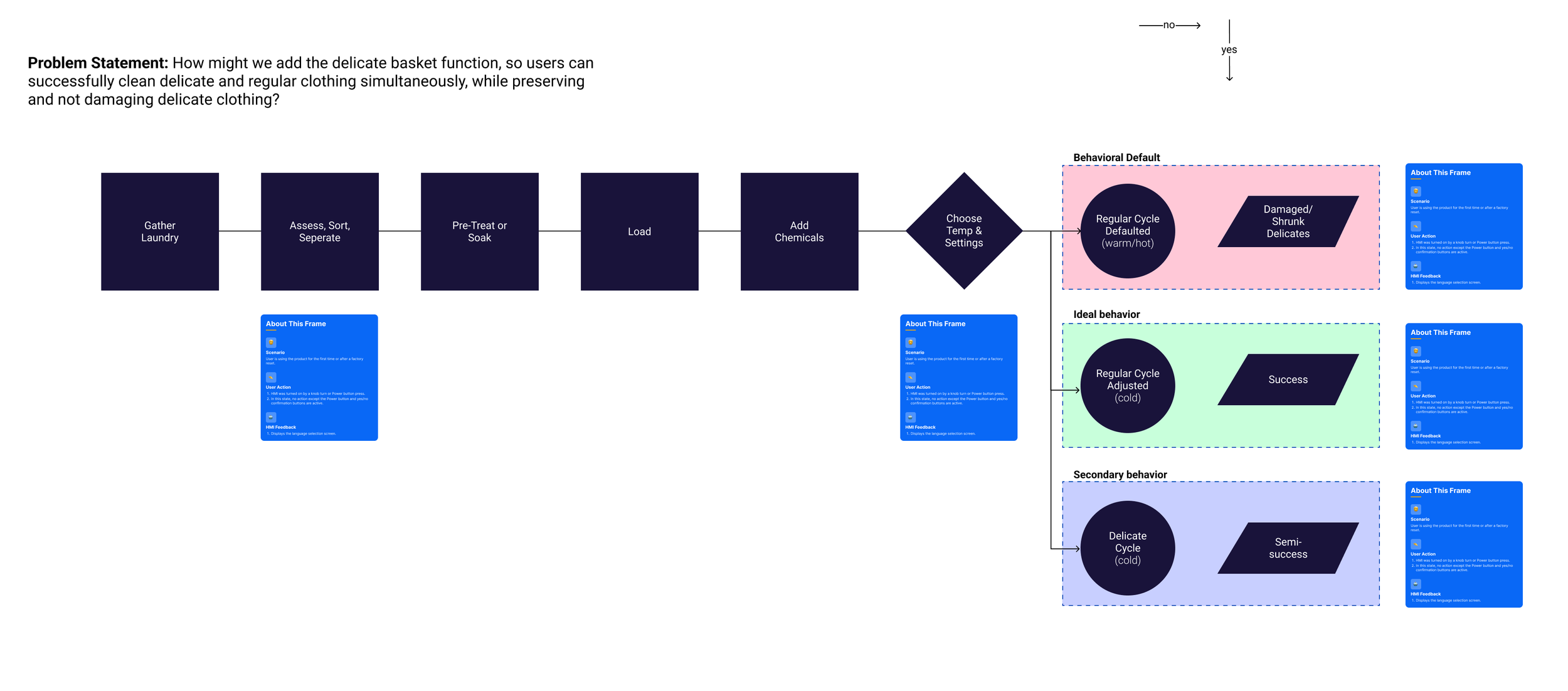
Early assumptions suggested the dual-basket functionality could be introduced through a single additional control on the HMI. However, as we mapped real-world user scenarios across the laundry lifecycle (from load planning and cycle setup to monitoring and completion) it became clear that the complexity extended far beyond a simple feature addition. Physical control constraints and pre-engineered hardware decisions limited available interaction patterns, requiring a more holistic approach to the experience architecture.
INTERACTION DESIGN
TOOLS USED: COMPONENT LIBRARY, WIREFRAMES, USER FLOWS, PROTOTYPES
Framework
Navigation structure
Screen hierarchy
System states
Error handling
Cross-basket interactions
Messaging behavior
Key Considerations
Two baskets operating independently
Hundreds of potential system states
Safety and compliance requirements
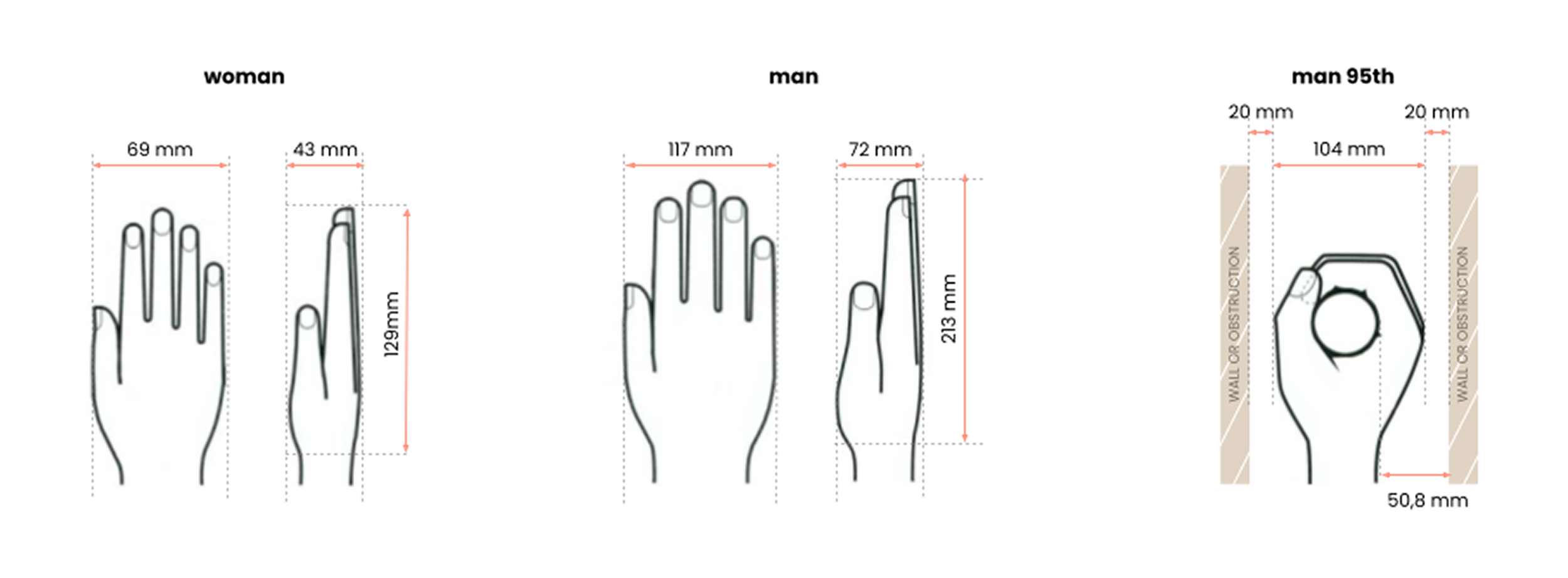
Fixed hardware controls
Limited screen real estate
Cross-basket interactions
Household appliances hold various safety regulations. For example, to prevent accidents, there are strict safety requirements governed when doors could lock and unlock, directly impacting how users interacted with the appliance throughout a cycle.
DESIGN Strategy
TOOLS USED: MOCKUPS, ANNOTATED SPEC DOCUMENTATION, DESIGN LIBRARY
Design System
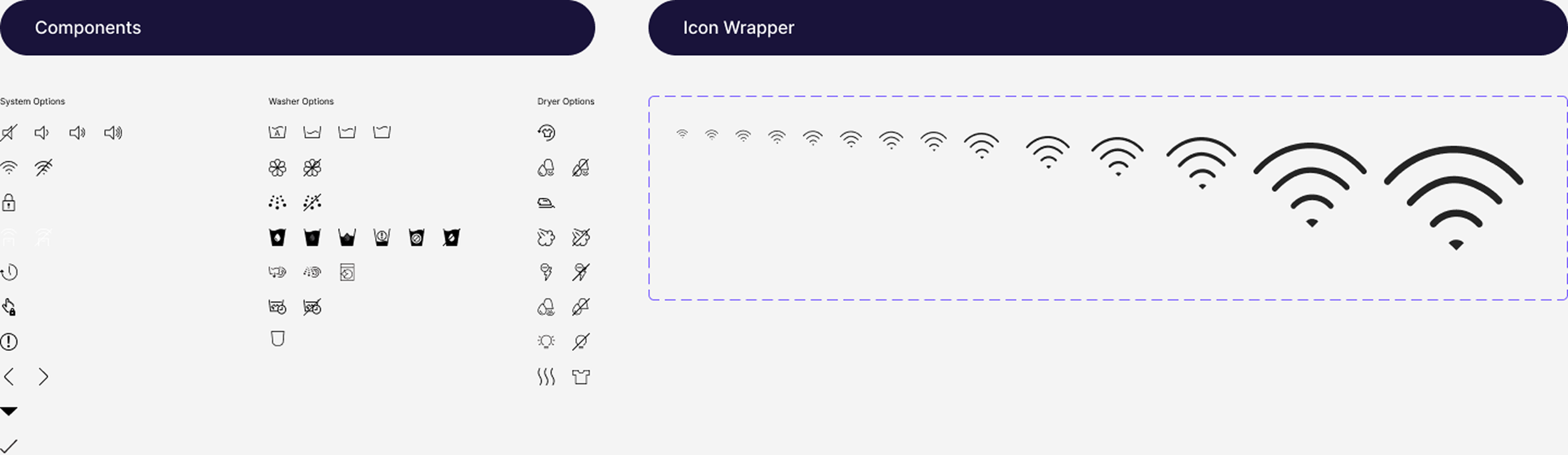
To ensure consistency across hundreds of potential system states, I created reusable patterns and components that supported scalability and engineering implementation.
Deliverables
Component library
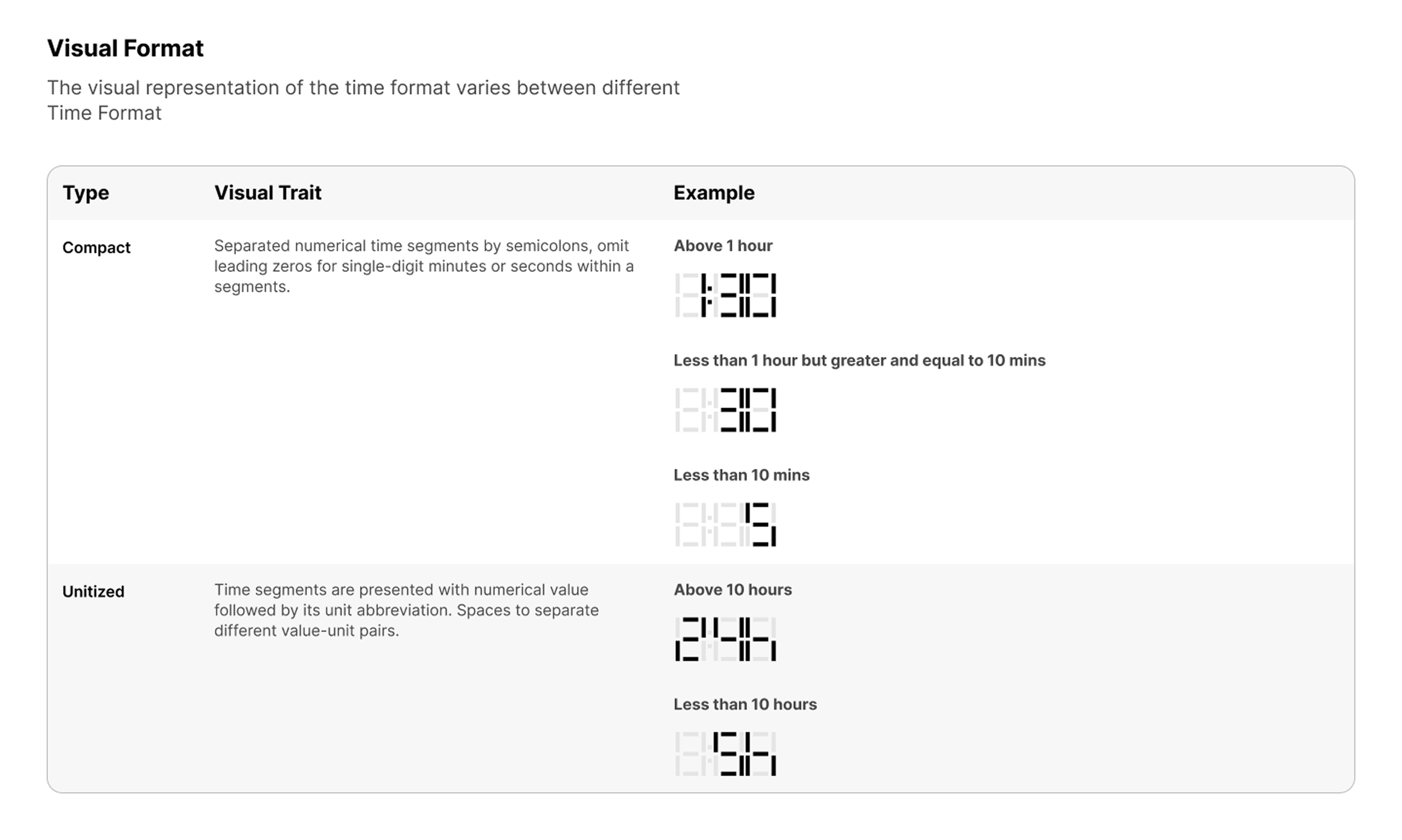
HMI messaging standards
Screen templates
State management patterns
Interaction specifications
Execution
Deliverables
End-to-end interaction flows
High-fidelity HMI screens
Component library
Messaging standards
Behavioral specifications
Engineering-ready documentation
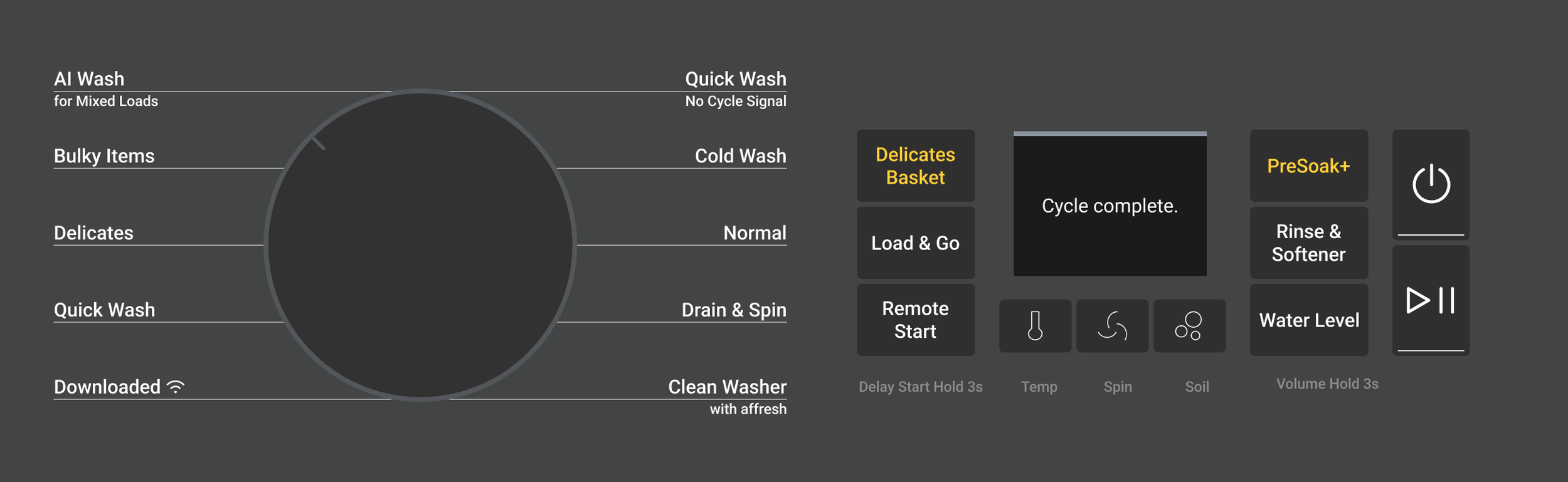
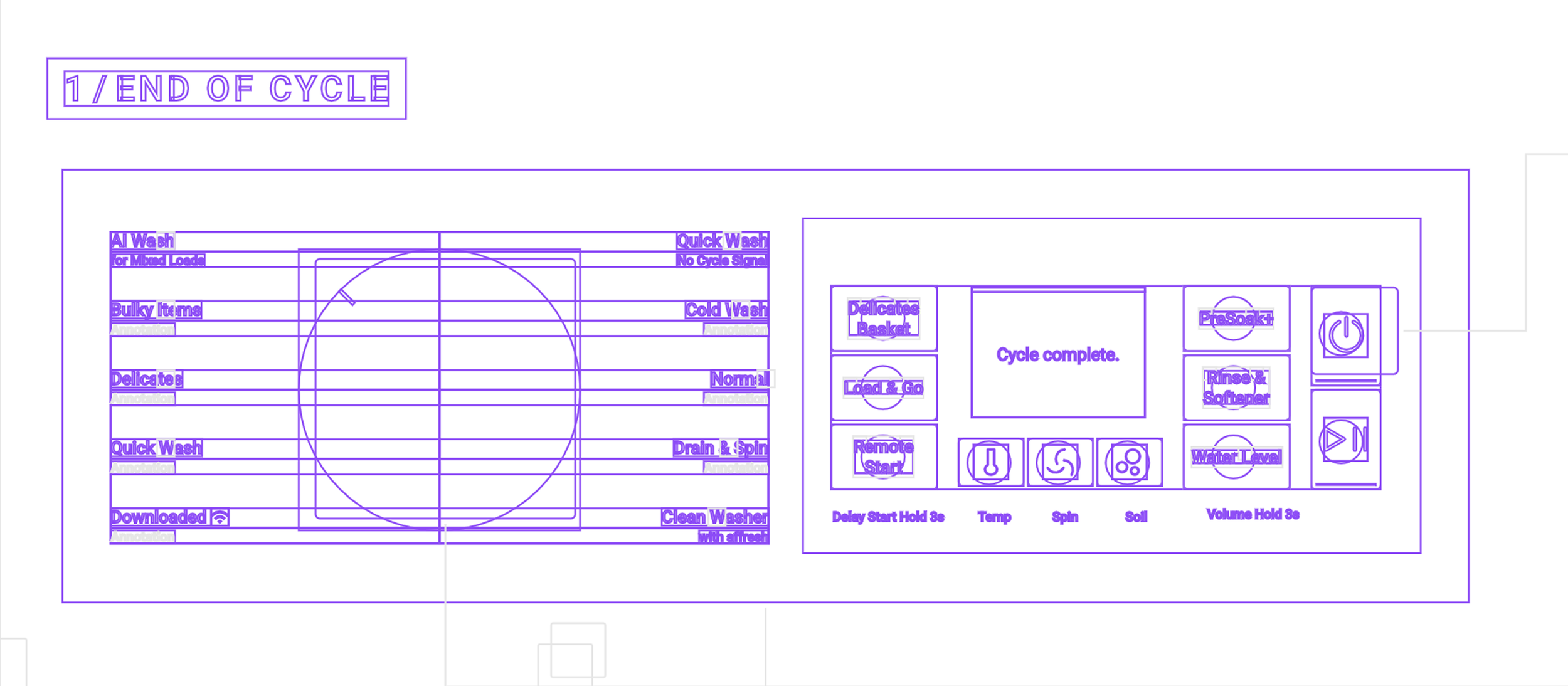
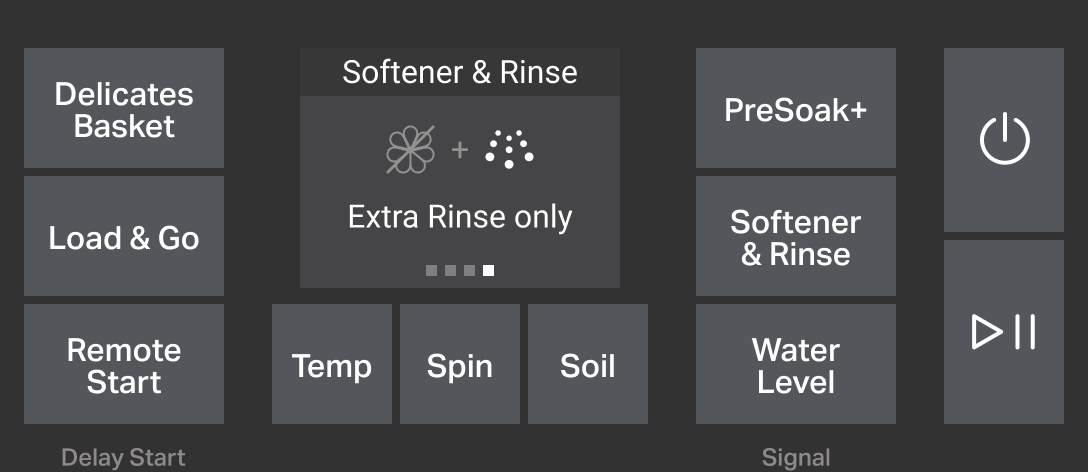
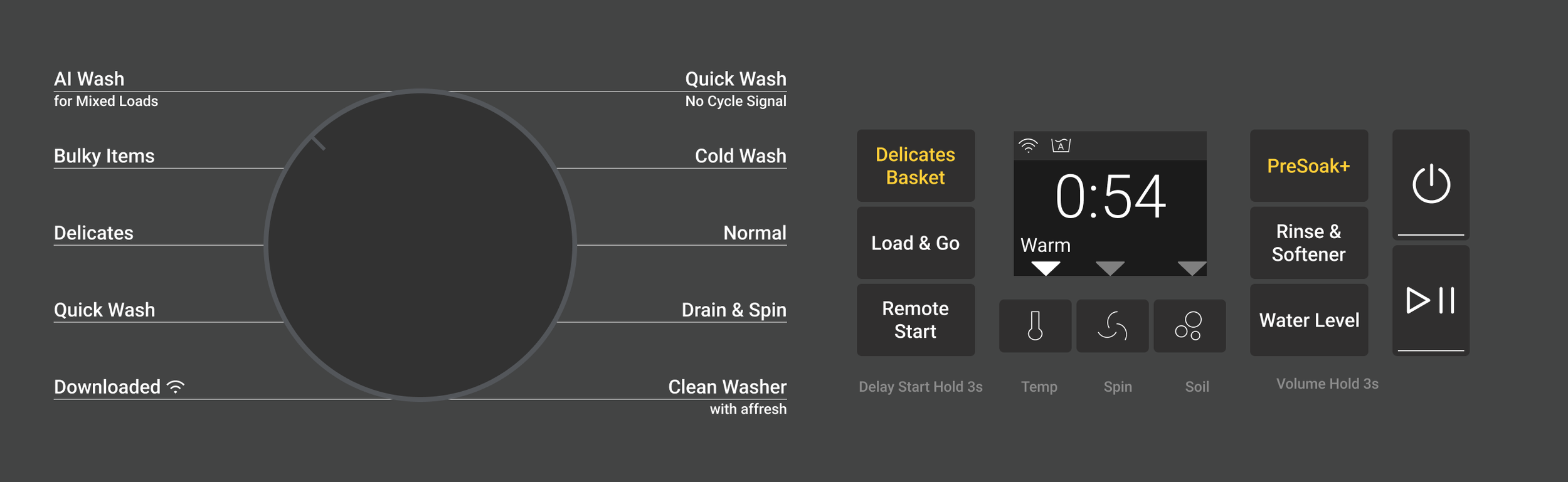
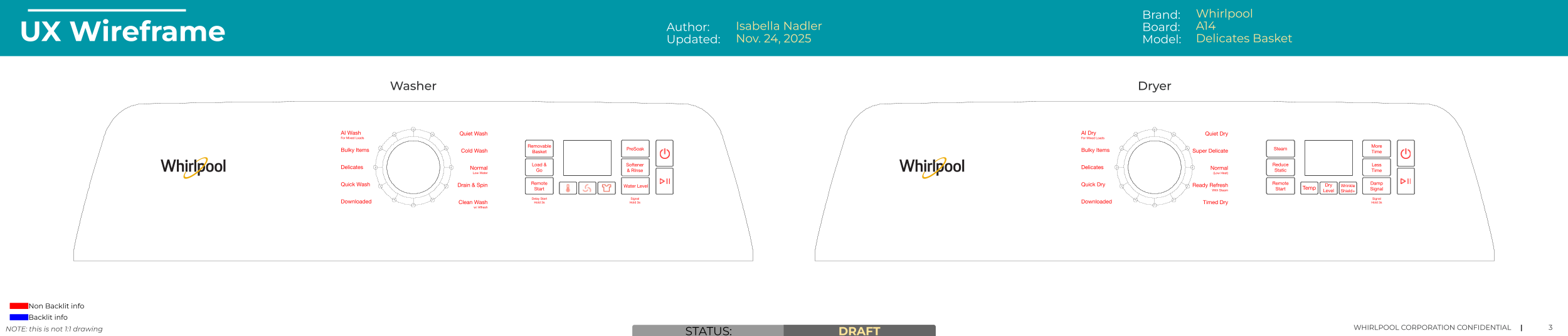
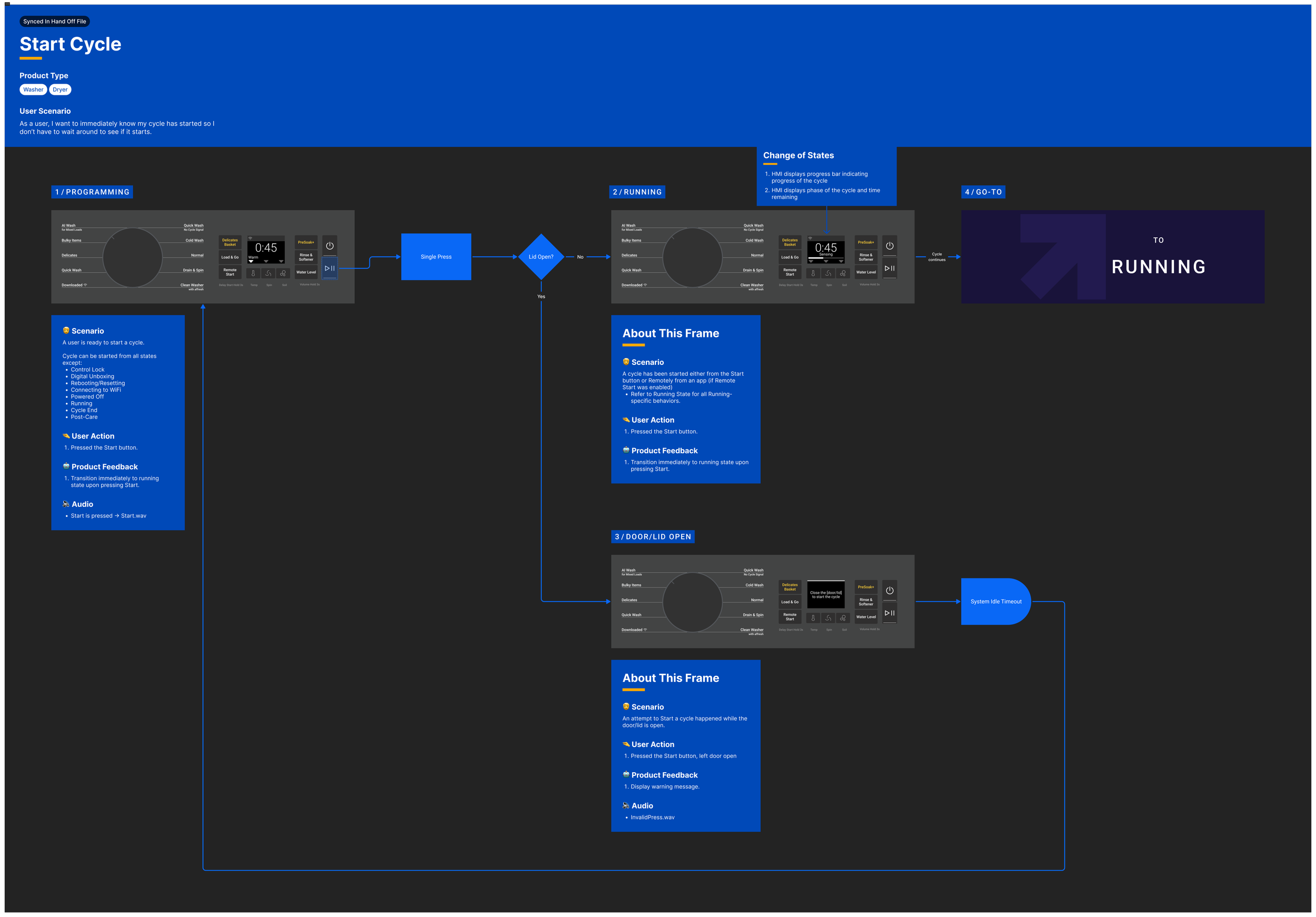
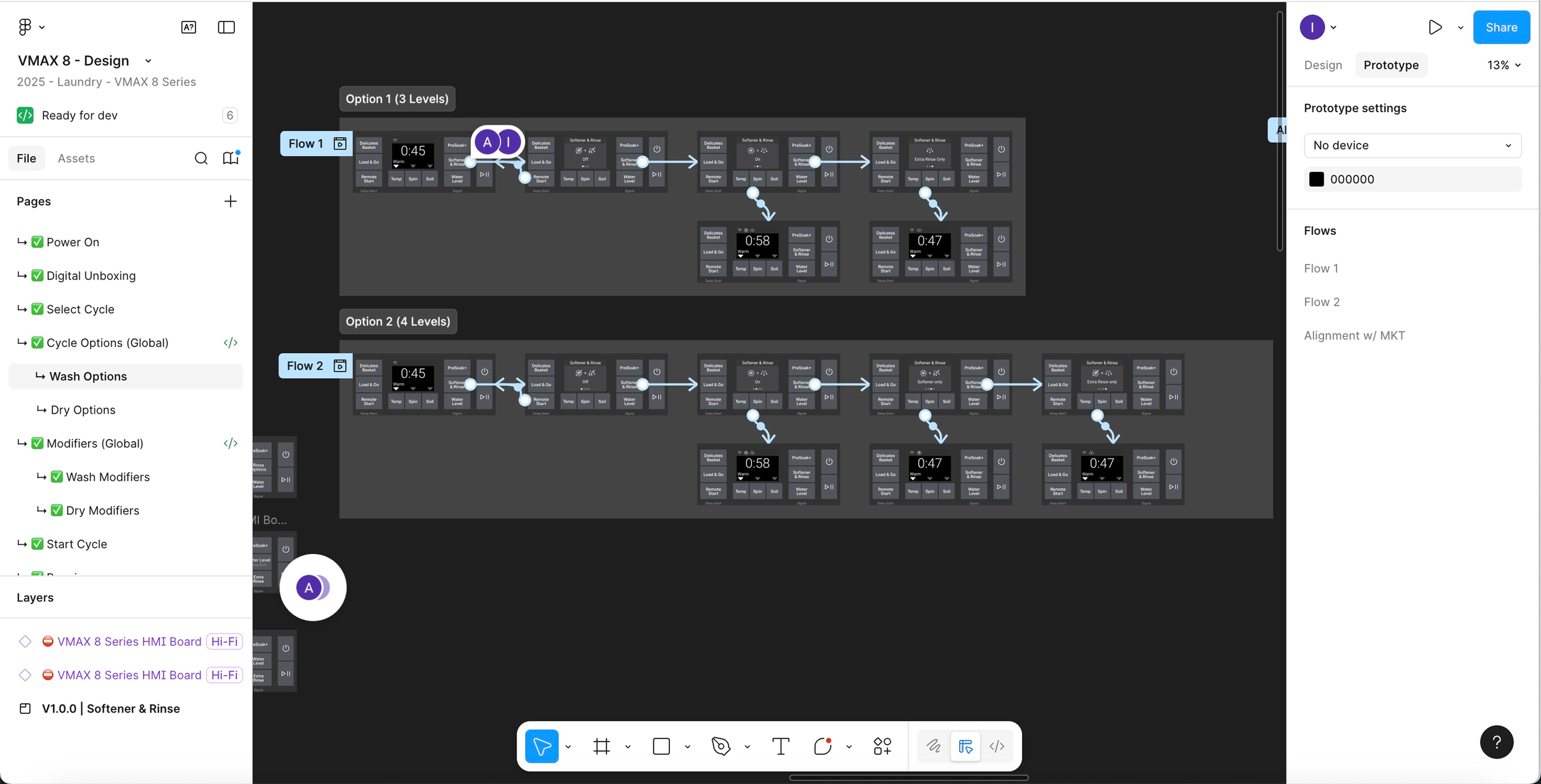
Detailed, annotated user flows provide developers with all the information needed to implement the design, including audio, button-hold time, motion graphics, timeouts, etc.
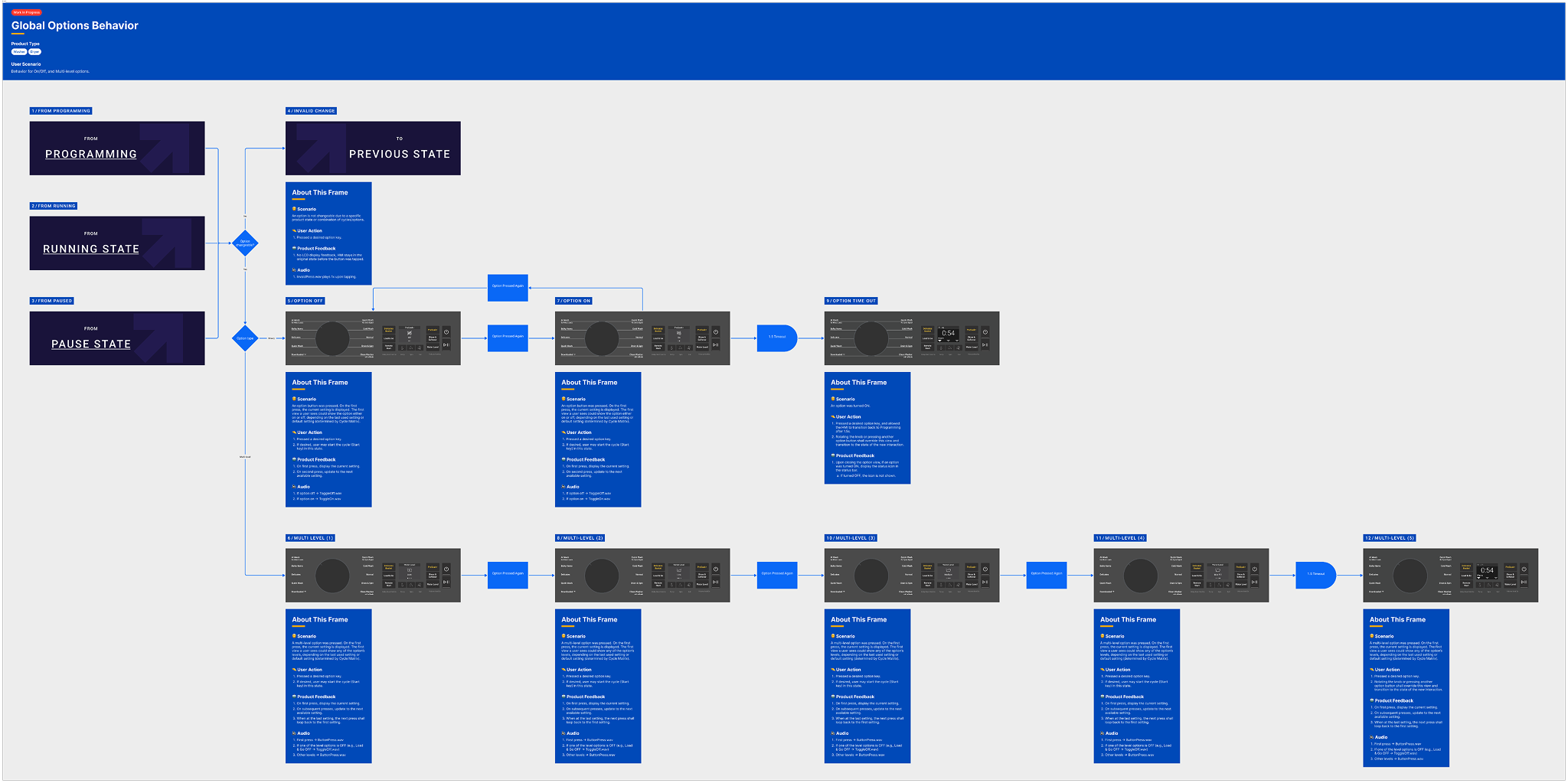
Being able to see the relationship between screens is critical for implementing an accurate UX.
IMPACT & OUTCOME
Outcomes
Established the foundational interaction model for the VMAX8 platform
Delivered scalable design patterns supporting future features
Created documentation that enabled engineering implementation
Aligned UX, engineering, and industrial design around a shared vision
Contributed to a first-to-market appliance experience
The product is scheduled for release in Summer 2026 and remains under NDA for certain details.